Define primary and secondary access routes with clear ingress and egress points that align with equipment requirements, terrain conditions, and construction sequencing.

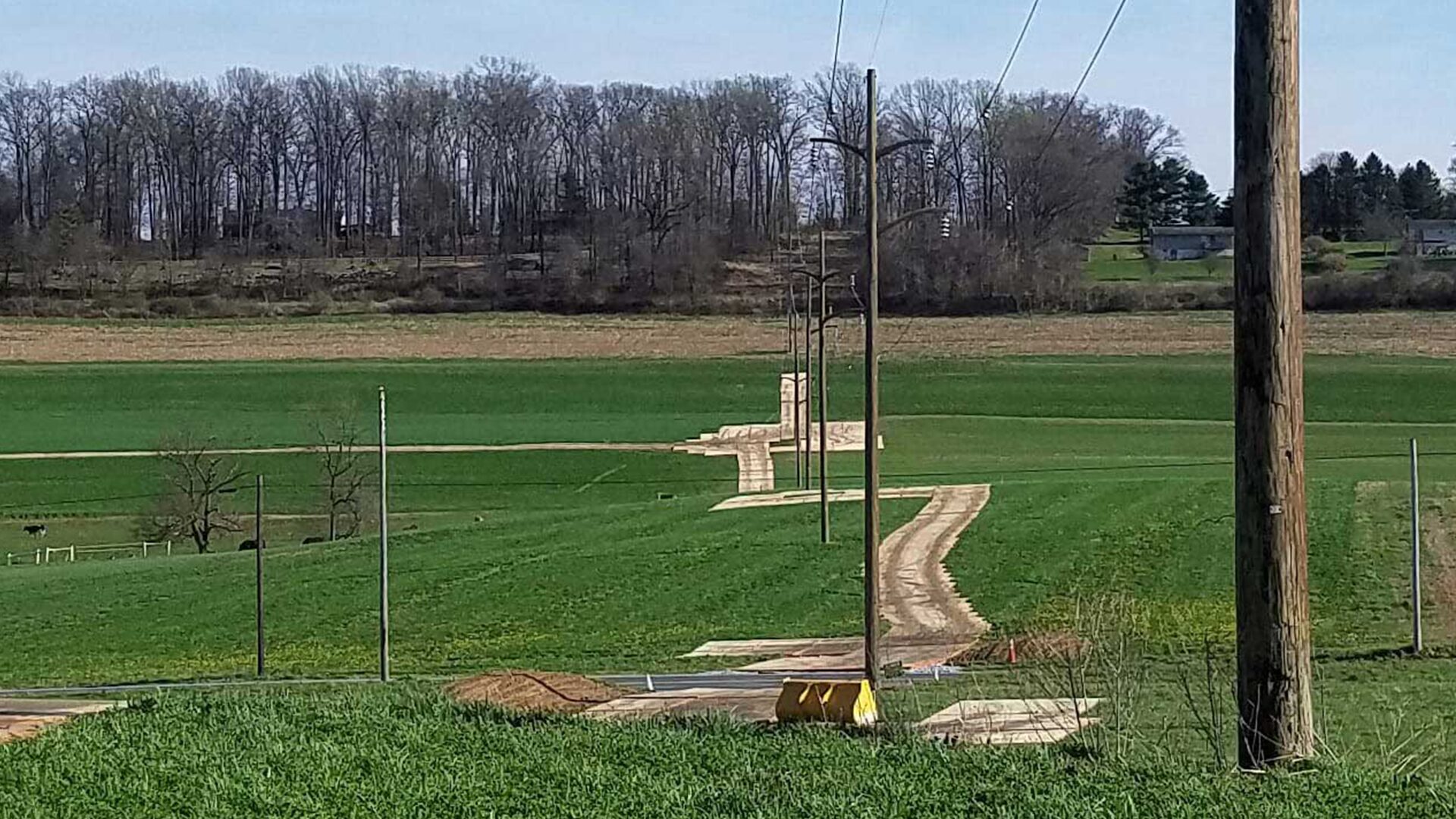
Access Route Mapping
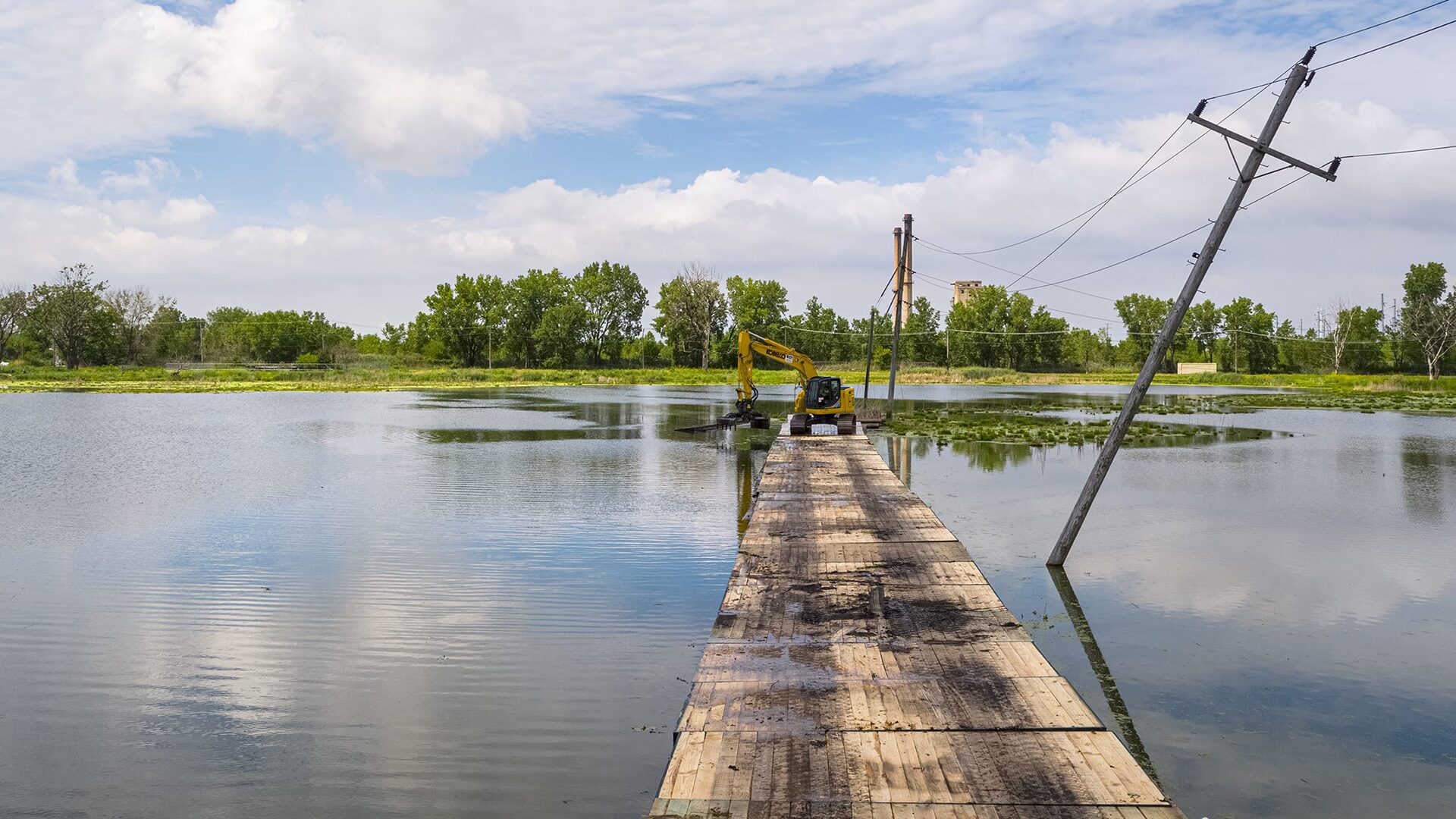
Wetlands & Floodplains Review
Incorporation of known wetlands, floodplains, and environmentally sensitive areas into access planning to inform routing, access methods, and constructability.

Engineering Solutions Review
Review of proposed engineering design outputs to validate access feasibility and constructability prior to final design completion.
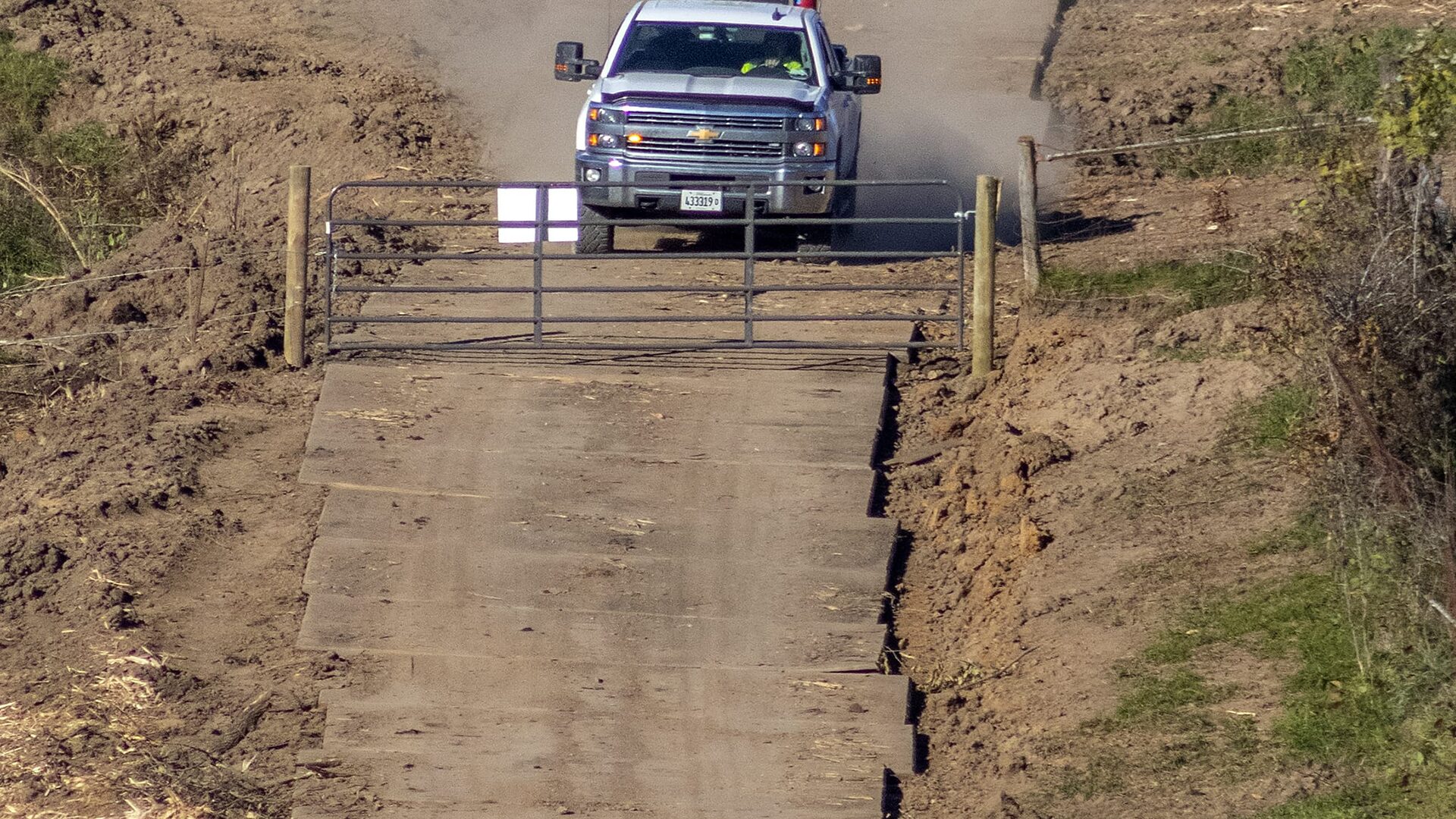
Access System Recommendations
Recommendations for matting, bridging, gravel, or other access solutions based on loads, traffic frequency, and site conditions.

SWPPP & Environmental Coordination
Alignment of access planning with approved SWPPP and environmental requirements to support compliant construction execution.
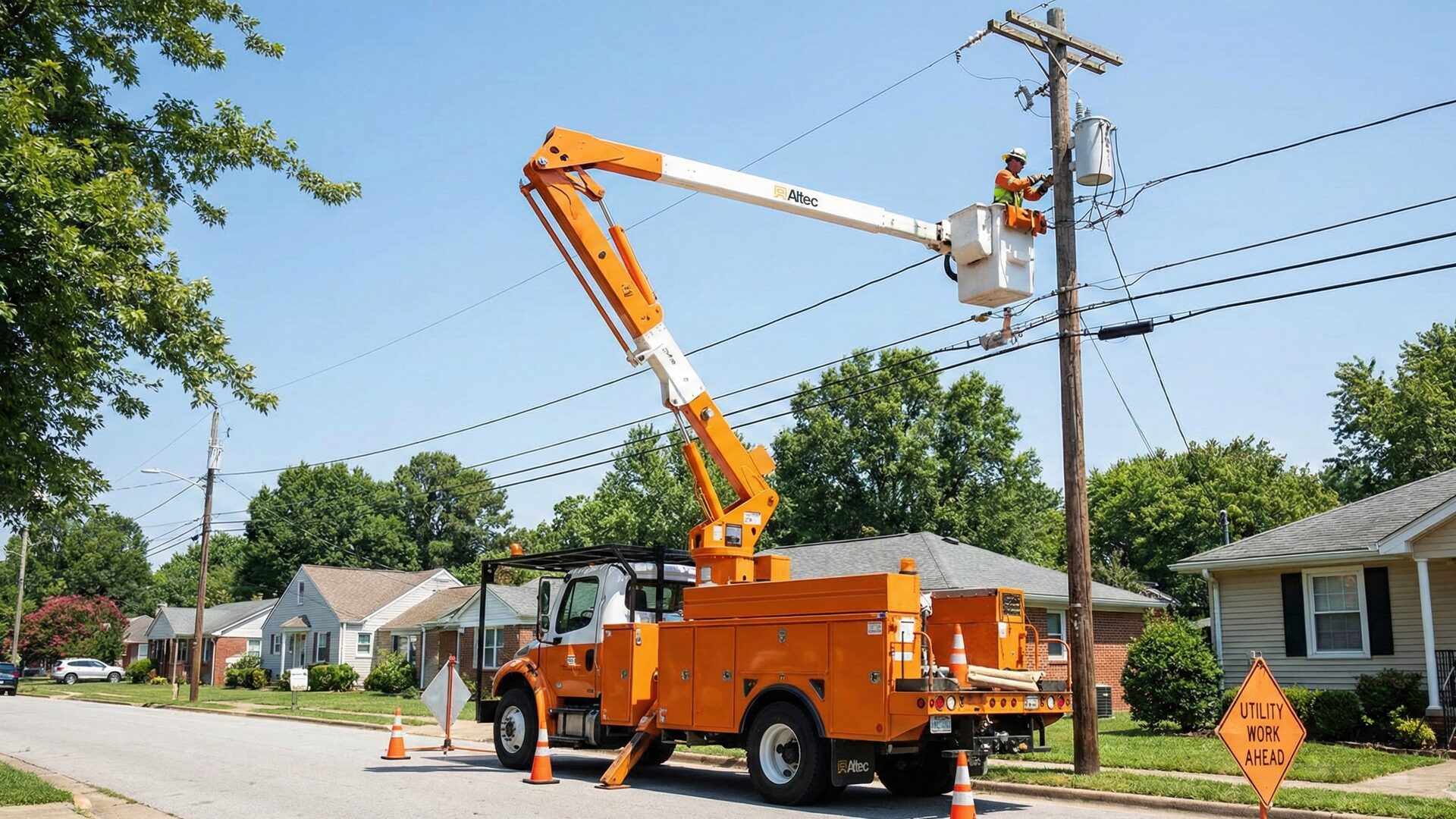
Permitting Considerations
Access-driven insights that help inform permitting strategies, support realistic schedules, and coordinate with environmental partners.

RFP-Ready Documentation
Clear access scopes, plans, and assumptions—where applicable—suitable for inclusion in RFPs to reduce bid variability.
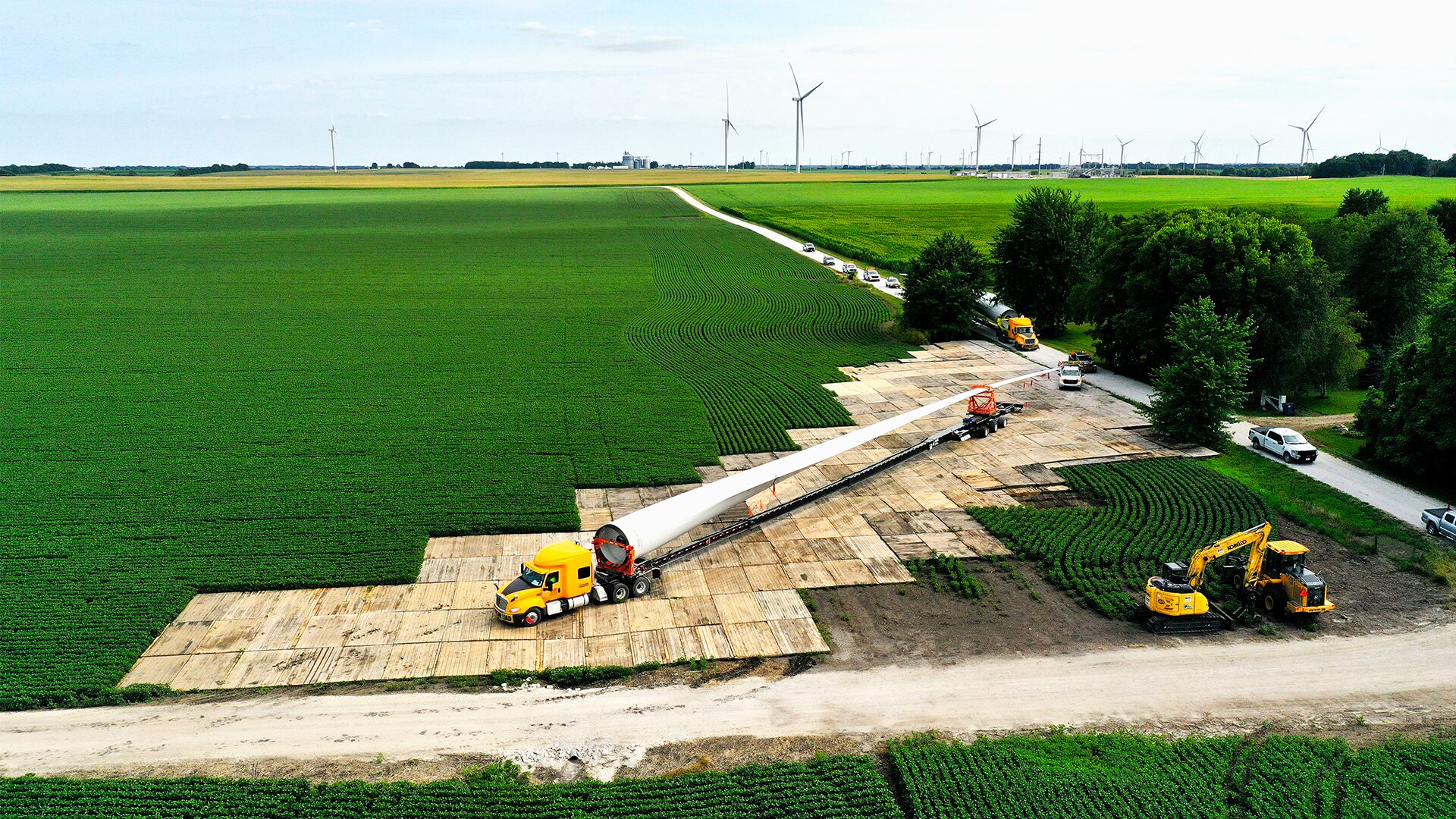
Landowner Support
Access recommendations that minimize property disruption and support constructive landowner engagement when encountered during planning and walkdowns.
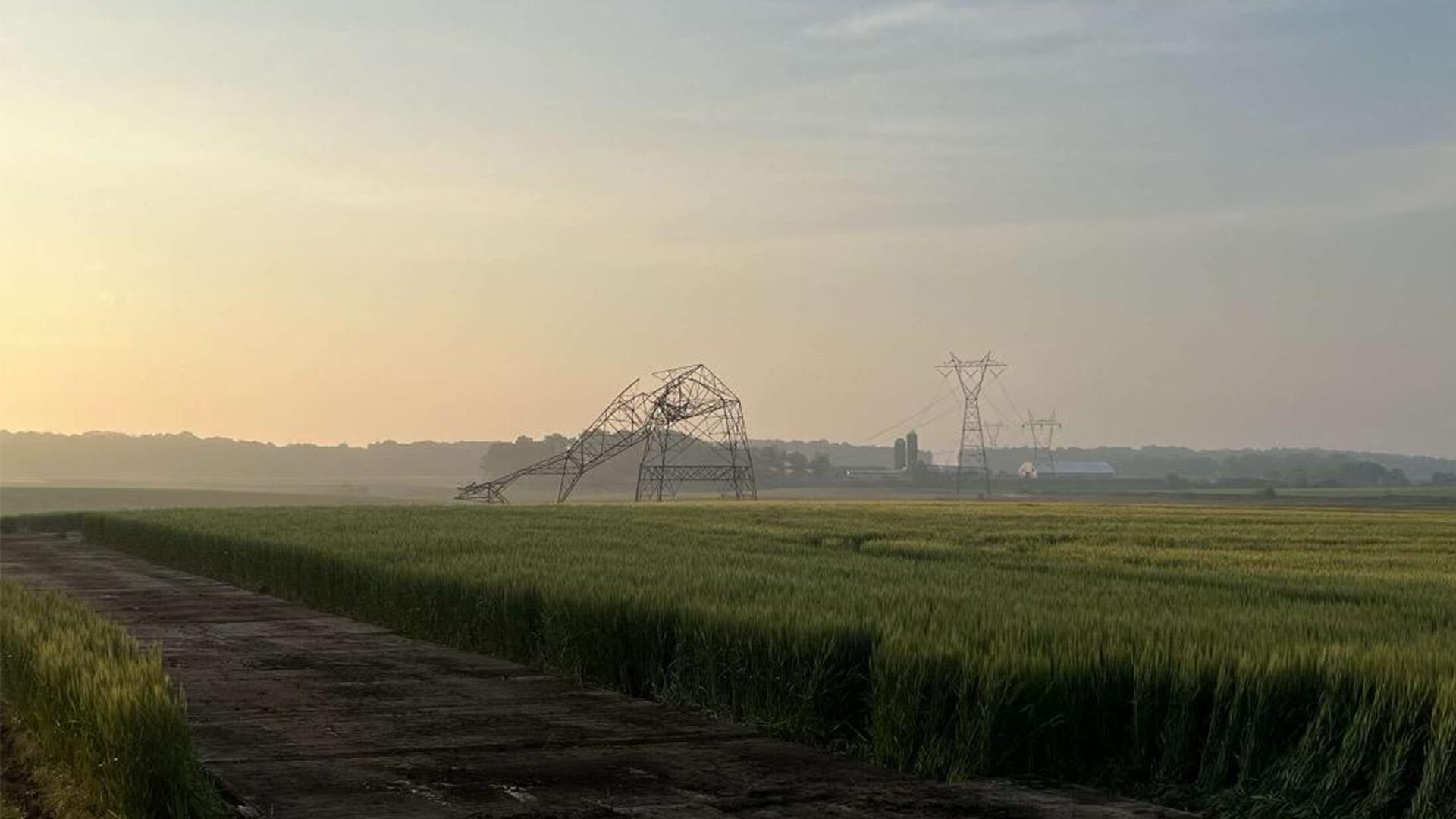
All Transmission Projects
Long, linear transmission routes with multiple landowners, constrained access points, and environmental considerations benefit from early access planning once routing and right-of-way concepts are established.
Distribution Projects
Distribution projects exceeding 5 miles, involving multiple segments, or valued at $500k+ benefit from defined access scopes and constructability review to reduce execution risk and bid variability.
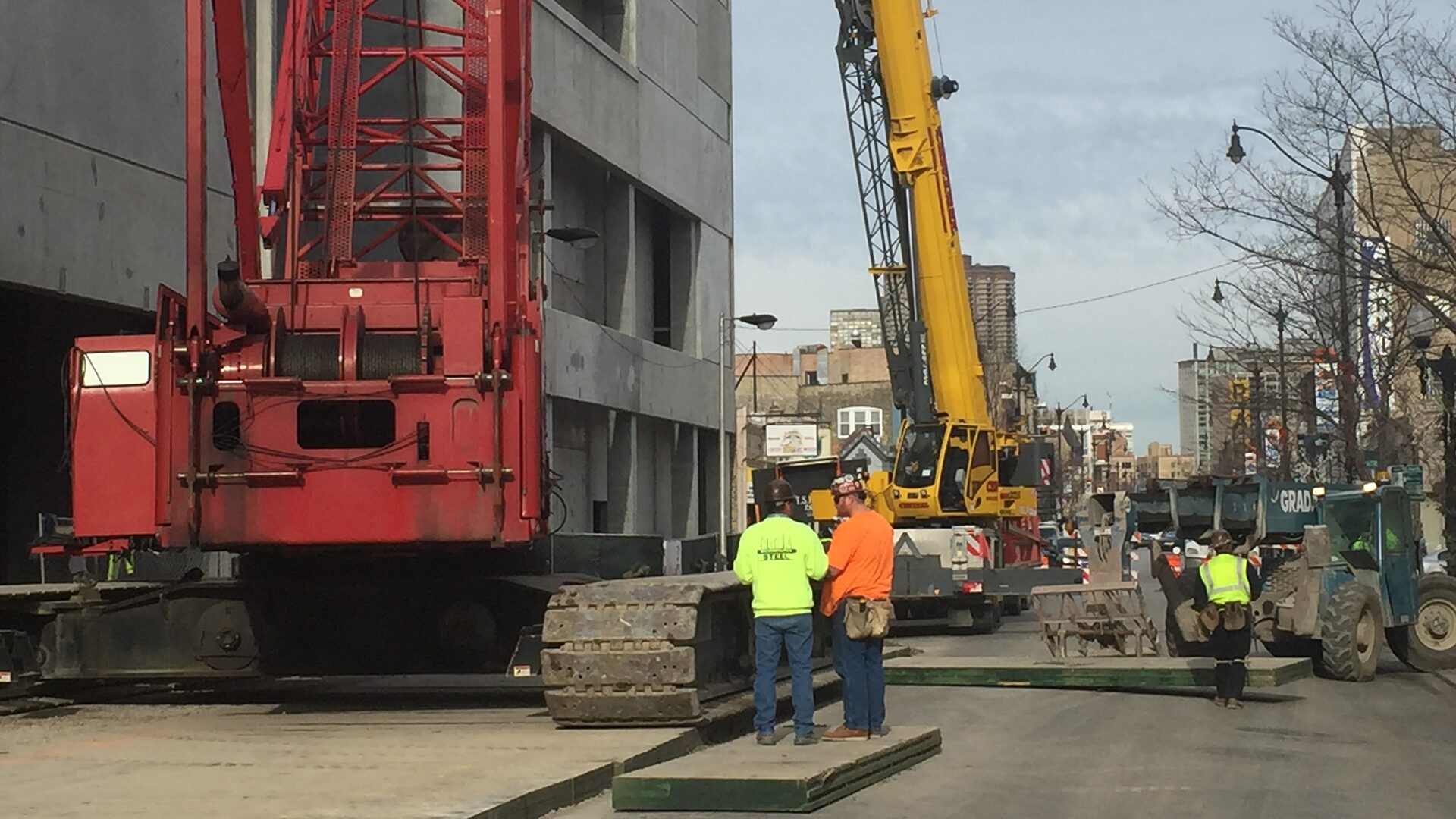
Engineering / Development
Advanced Site Access Planning is most effective after routing and preliminary right-of-way concepts are defined, but before RFPs are issued—when access approaches can still be validated, refined, and aligned with permitting and construction strategies.
Environmental & Site Constraints
Incorporate known environmental and site constraints—such as wetlands, floodplains, utilities, and sensitive areas—into access planning to avoid schedule disruptions.

Budget Certainty
Establish clear, consistent access scopes that reduce bid variability and downstream cost exposure.
Schedule Attainment
Reduce schedule risk by planning access approaches that help avoid permitting complications, outage conflicts, and unplanned remobilizations.

Constructability Confidence
Validate access routes against equipment requirements, terrain, and real-world field conditions.
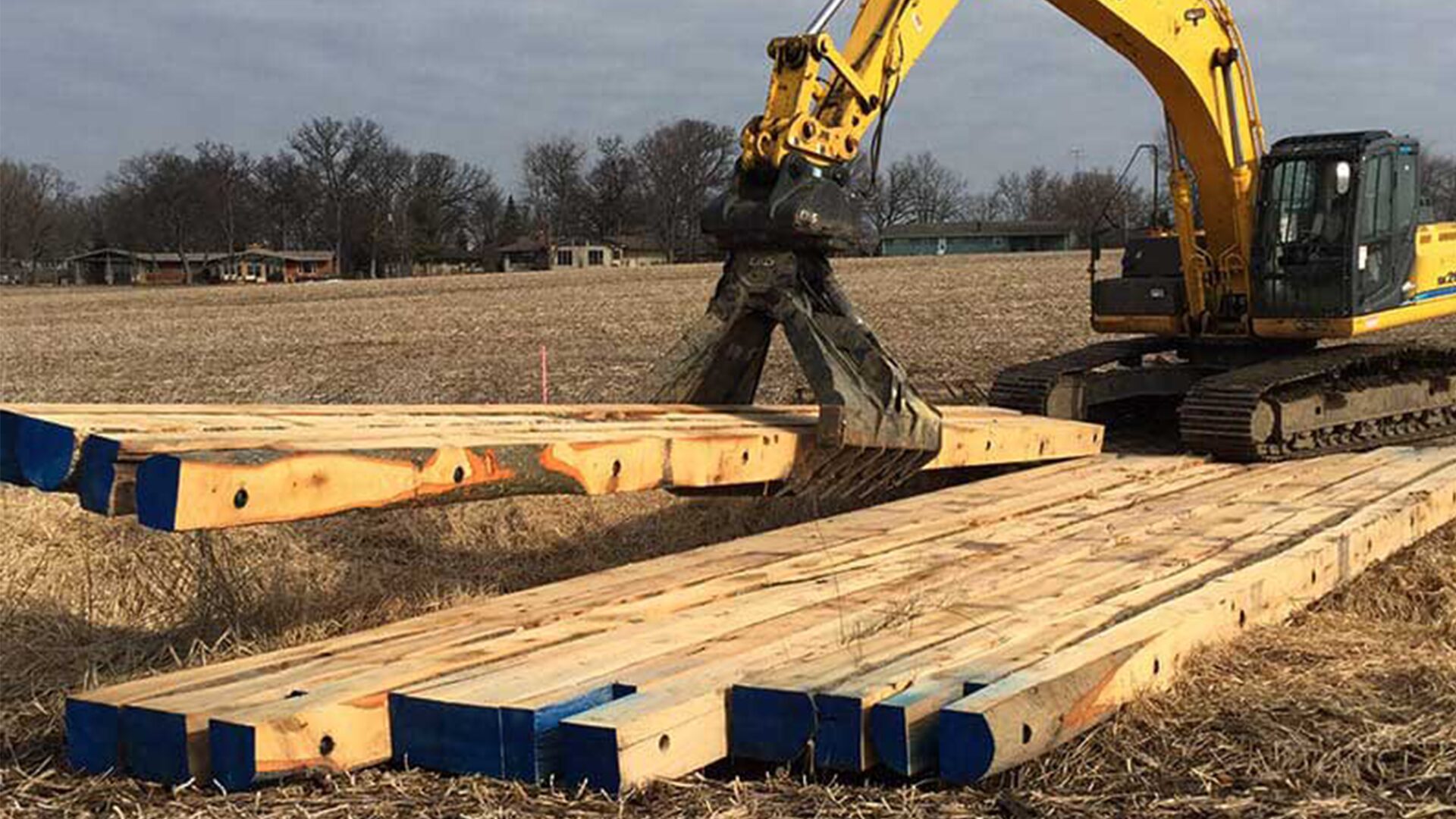
Change Order Reduction
Minimize scope gaps and “apparent changes” by defining access requirements before construction pricing is locked in.

Conflict Identification
Identify and resolve access-related conflicts and misaligned assumptions between utilities, EPCs, primes, and subcontractors before execution.